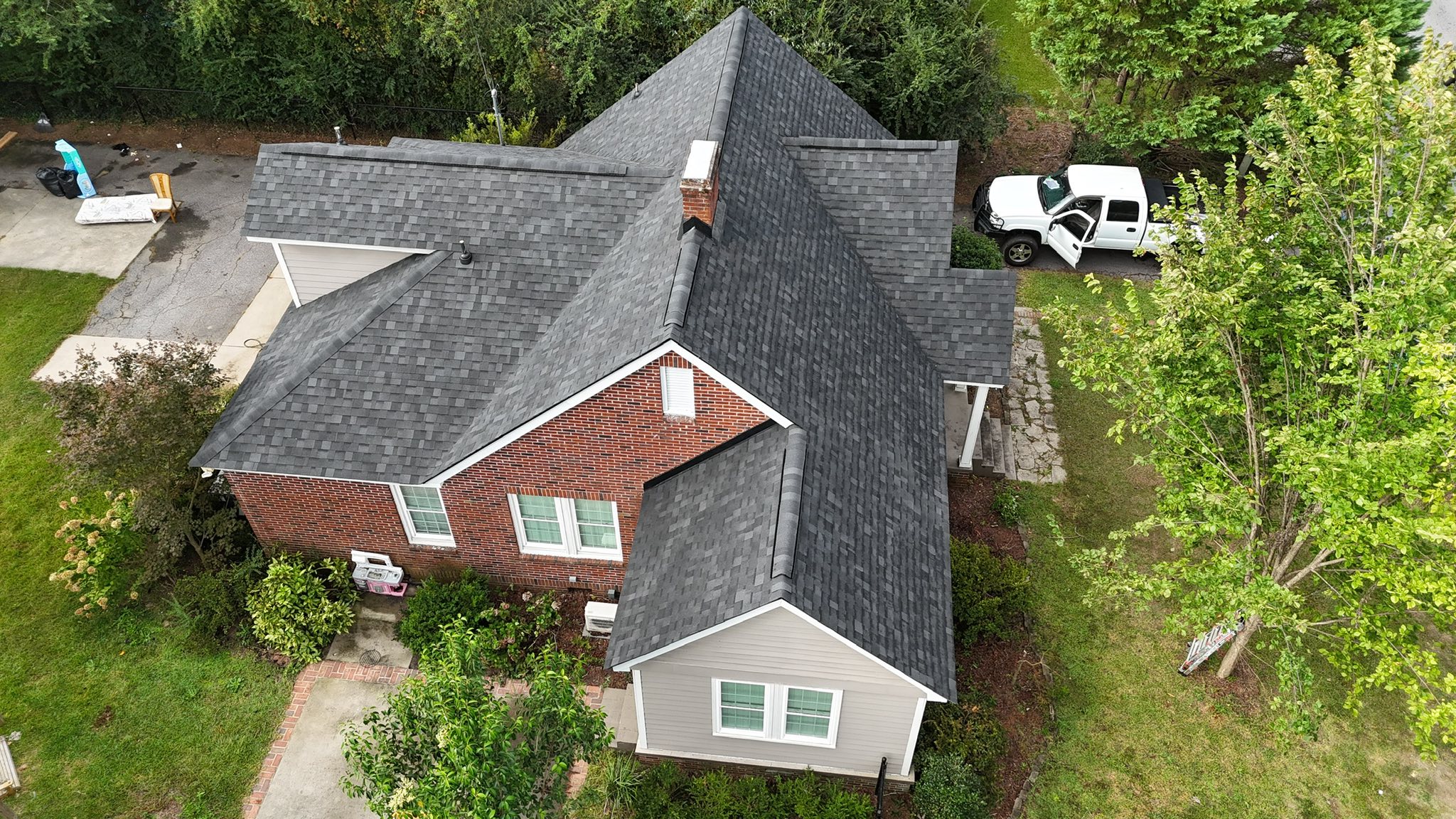
Roof Ventilation: The Key to a Healthier and More Efficient Home Jan 03, 2026
To begin, roof ventilation involves the intake and exhaust of air through the attic, maintaining the optimal temperature and humidity levels. This continuous airflow prevents the excess heat buildup during the summer and reduces the risk of moisture problems in the winter. Without adequate ventilation, your attic can become overly warm in the summer, driving up cooling costs and affecting your home's overall energy efficiency. During the colder months, poor airflow can trap moisture, leading to mold growth and even structural damage.
One of the most compelling reasons to ensure proper roof ventilation is energy efficiency. In the sweltering summer months, trapped heat in the attic can seep into living spaces, forcing your air conditioning system to work harder and consume more energy. A well-ventilated roof allows hot air to escape, reducing the load on your HVAC system and lowering utility bills. For residents concerned about eco-friendly living, this reduced energy consumption not only saves money but also decreases your carbon footprint.
Another significant benefit of proper roof ventilation is the extension of your roof's lifespan. Excessive heat and moisture are the two major culprits that accelerate roof deterioration. Without adequate ventilation, shingles can warp, crack, or become damaged under the stress of fluctuating temperatures. Moisture buildup can lead to wood rot or rust in metal components, further compromising the structural integrity of your roof. By investing in proper ventilation, you protect your roofing materials from avoidable wear and tear, ensuring they last longer and perform better.
It's also crucial to consider the impact of ventilation on indoor air quality. When attics are poorly ventilated, moisture levels can rise, leading to mold and mildew growth. These can have serious health implications for those living in the home, especially individuals with respiratory issues or allergies. Proper ventilation helps keep the attic dry, significantly reducing the risk of mold, and consequently, improving the overall indoor air quality.
For homeowners considering home improvement projects or preparing for a roof replacement, evaluating your current ventilation system should be a priority. It’s essential to work with professionals, like Hometown Roofing, who can assess your specific needs and recommend the right type of ventilation for your roof’s design and your home’s location in terms of climate. Options such as ridge vents, gable vents, and soffit vents can be tailored to fit various roofing systems, ensuring that your home operates at peak efficiency.
In conclusion, roof ventilation is more than just a technical requirement; it is a crucial component of a healthy, efficient, and comfortable home. By understanding the benefits of a well-ventilated roof and taking proactive steps to ensure adequate airflow, you can enjoy lower energy costs, a longer-lasting roof, and improved indoor air quality. Contact Hometown Roofing today to learn more about how we can help optimize your roof’s ventilation system. We are committed to providing expert guidance and top-quality services for all your roofing needs.
/filters:no_upscale()/filters:format(webp)/media/3d371ebf-9d38-4f00-8b0a-e5c569563315.jpeg)
/filters:no_upscale()/filters:format(webp)/media/6c78f269-0fcb-4093-80a8-0493e4038e42.jpeg)